Addiction Psychologist: Professional Support in Complex Cases
A medical psychologist consultation for people facing alcohol, drug, or medication addiction, and for their loved ones. Assessing the situation, defining further tactics, and a personalized route of support.
Book a Consultation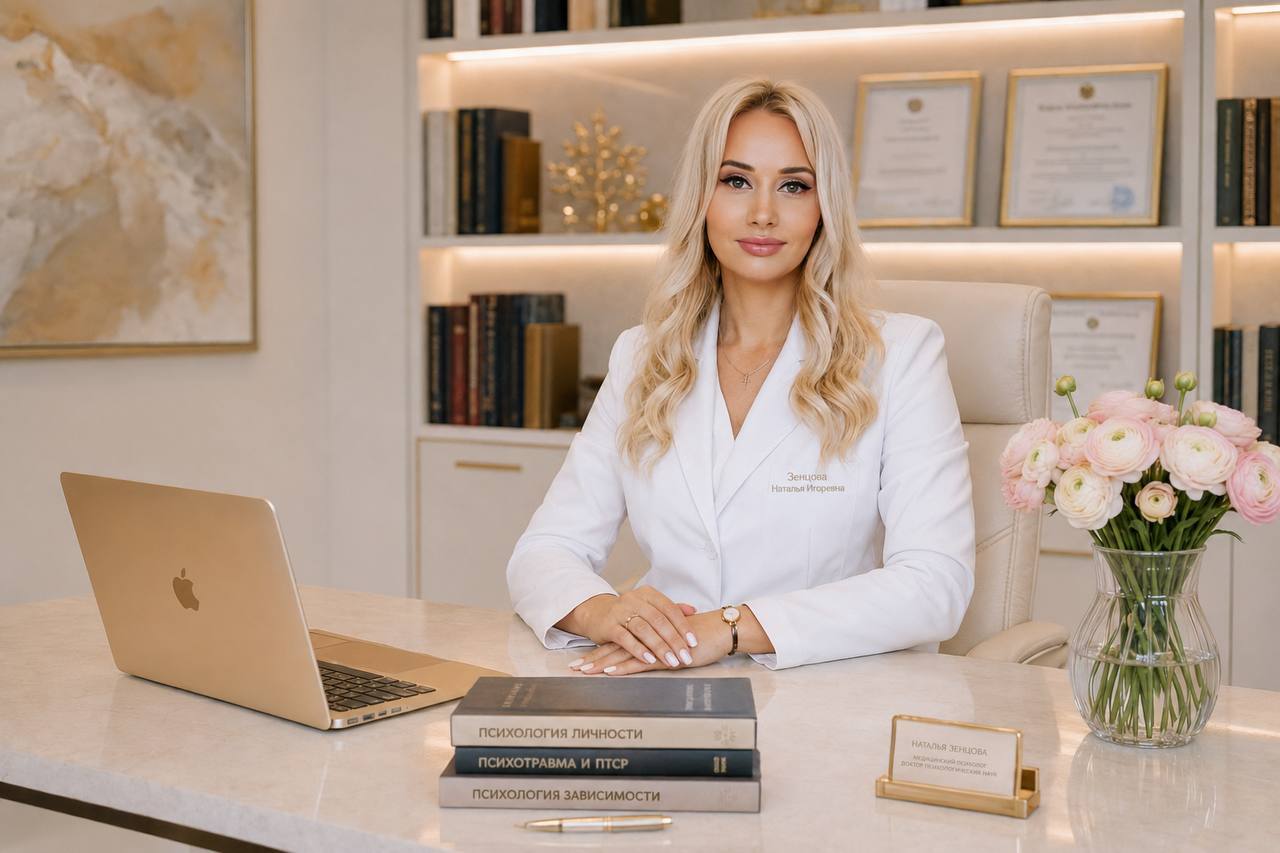
When It Makes Sense to Reach Out for a Consultation
Reaching out to a specialist makes sense even when an addiction hasn't yet led to serious consequences. The earlier you can take an objective look at what's happening, the more options you have for choosing the right approach to support.
A consultation can be helpful if:
Types of Addiction I Work With
Understanding What's Happening
If You're Not Sure Whether You Have an Addiction
You don't need to diagnose yourself before reaching out to a specialist.
People often notice a problem well before they're ready to call it an addiction: how often you use starts to increase, it becomes harder to control the amount, you develop your own "rules" for using, and alcohol or another substance is increasingly used as a way to change your emotional state.
In the consultation, we can work out how serious the situation is, which factors are sustaining the use, and whether an additional consultation with a psychiatrist-addiction specialist or other specialists is needed.
What Happens in the Consultation
A Second Expert Opinion
If treatment has already been tried but the result wasn't enough, you can get an independent assessment of the situation.
In the consultation, we analyze the history of the problem, previous visits to specialists, the approaches already used, and the possible reasons behind any relapses.
The goal is to identify which elements of support have already been tried and which directions make sense to consider next.
Personal Support in Complex Cases
In some situations, a single consultation isn't enough.
When needed, personal support is available: putting together a personalized route, coordinating with specialists across different fields, and helping organize a consistent process of treatment and recovery.
Where there are grounds for it, the route can include consultations with a psychiatrist-addiction specialist, a psychiatrist, and other specialists.
More About Personal Support
Natalia Zentsova
Over 20 years of professional practice. I work with complex cases: addictions, PTSD, and crisis states — situations where previous support hasn't given the expected result or where relapses keep happening.
Within my competence as a medical psychologist, I provide a second expert opinion on treatment already underway and, when needed, personal support — putting together a personalized route of care and coordinating with specialists across different fields.
More About MeFrequently Asked Questions
Can I reach out if I'm not sure I have an addiction?
Can I reach out after a relapse?
Do you only work with alcohol addiction?
Can a relative of someone with an addiction reach out?
Can the consultation be done online?
Not Sure Where to Start With Addiction Treatment? Start by Assessing the Situation
You don't need to know in advance whether you need psychological support, a physician's consultation, outpatient treatment, or a more intensive program.
In the first consultation, we'll go through your situation, your history of use and previous treatment, assess risk factors, and define which next steps make sense for your specific case.
You can reach out whether you're the person facing alcohol, drug, or medication addiction yourself, or someone close to them.
After the Consultation, You'll Know What to Do Next
Initial Consultation With a Medical Psychologist
Natalia Igorevna Zentsova
Doctor of Psychological Sciences · Medical Psychologist · Professor at Sechenov University
₽35,000 · 60 minutes
In person in Moscow or online
Confidential. The format of support is determined individually after assessing the situation. When needed, a consultation with a psychiatrist-addiction specialist or another relevant specialist is recommended.